
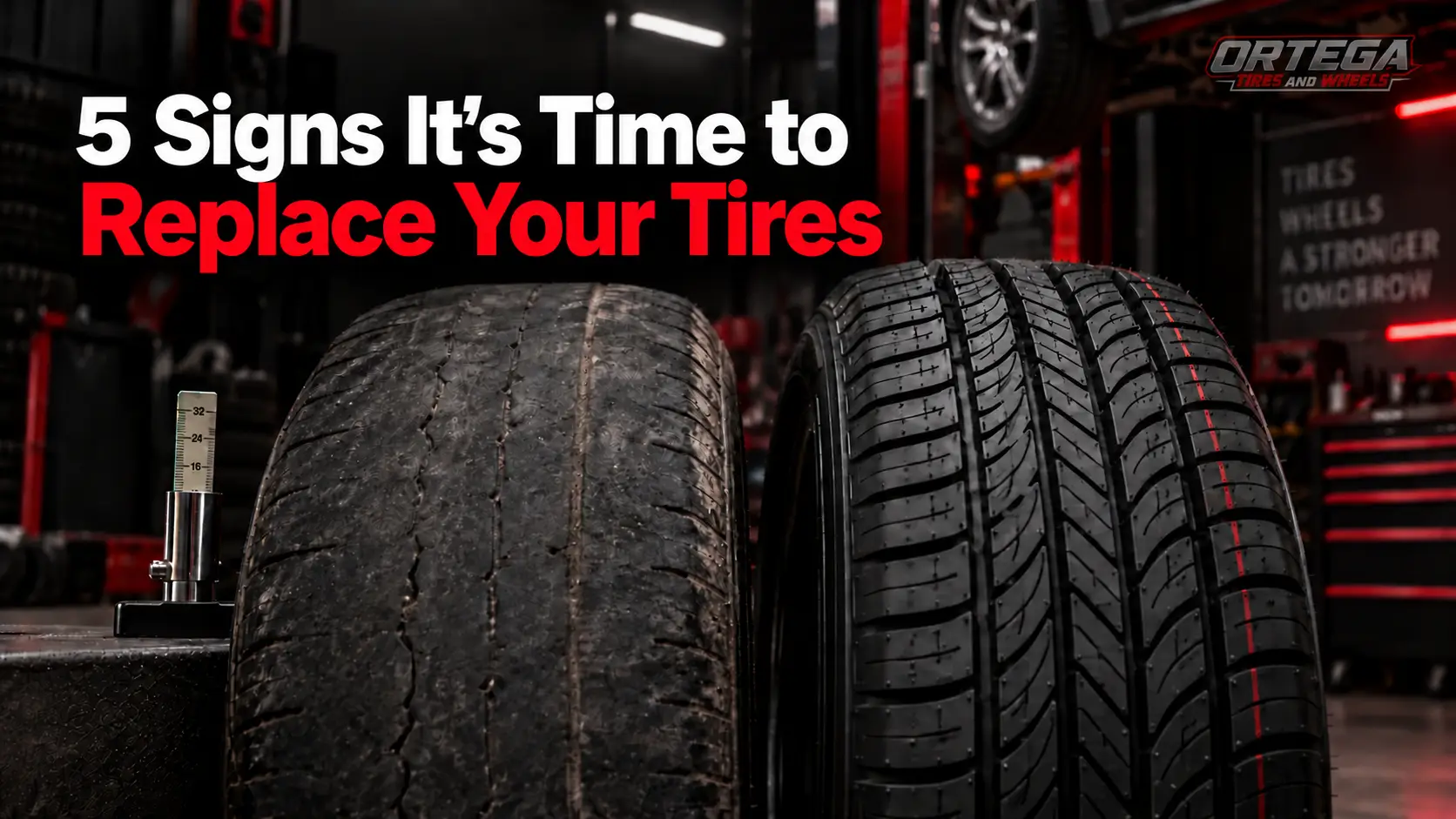
Warning Signs Spring, TX Drivers Should Never Ignore
Your tires probably aren’t something you think about every morning. You get in, start the engine, and expect them to handle whatever the day brings. But between highway driving, potholes, and sudden rainstorms around Spring, TX, they deserve more attention than an occasional glance.
According to the National Highway Traffic Safety Administration, 511 people died in tire-related crashes in 2024. That statistic is a reminder that tire maintenance belongs on your safety checklist.
So how do you know when replacement is necessary? These five warning signs can help you recognize trouble and understand when to have a professional take a closer look.
1. Your Tread Is Worn Down
Tread helps your tires grip the road, especially when pavement is wet. As it wears away, your tires lose an important part of their ability to handle slippery conditions.
The replacement threshold is 2/32 of an inch, according to NHTSA’s tire safety guidance. Tires worn to that depth should be replaced.
You can do a quick check with a penny. Place it into a tread groove with Lincoln’s head pointing down. If you can see the top of his head, it is time for replacement. A tread depth gauge gives you a more precise measurement.
Also look for the raised wear bars between the tread grooves. When the surrounding tread becomes level with those bars, the tire has reached its replacement point.
Check several places across each tire. One section can wear faster than another, so a single measurement may miss the worst area. For drivers commuting through Spring or heading into Houston, a tread inspection is a simple step worth taking before the next rainy drive.
2. You See Sidewall Cracks, Cuts, or Bulges
The sidewall is the outer surface between the tread and the wheel. Damage here deserves attention, even when the tread still looks good.
Watch for deep cuts, noticeable cracks, exposed cords, or an outward bubble. An unusual bulge can indicate structural damage and should never be treated as a cosmetic issue.
Bridgestone’s published inspection advice puts it plainly: “If you see anything suspicious, have a tire service professional take a closer look.” Its tire inspection guide specifically identifies cuts, punctures, bulges, and cracks as conditions to check.
Sidewall damage also differs from a small puncture in the repairable tread area. Bridgestone’s repair guidance lists sidewall or shoulder damage among conditions that prevent repair.
If you notice a bulge or exposed cords, stop using that tire and arrange roadside assistance or a suitable spare. A tire holding air does not establish that it is safe.
3. You Keep Adding Air to the Same Tire
An occasional pressure adjustment is normal. Repeatedly filling the same tire is a reason to investigate.
According to Bridgestone, tires lose approximately 1 PSI per month on average. Temperature changes also affect pressure, with roughly a 1 PSI change for every 10 degrees Fahrenheit.
However, a tire that needs air every few days may have a puncture or another leak. Adding air repeatedly leaves the underlying problem unresolved.
Frequent air loss does not automatically mean you need a replacement. A professional should locate the leak and determine whether a proper repair is possible. Damage location, puncture size, and tire condition all matter.
Bridgestone also explains that a proper puncture repair uses a combination of a plug and patch; either one alone is insufficient under its repair guidance.
Check pressure when tires are cold, and use the vehicle’s recommended pressure listed on the driver’s door label or in the owner’s manual.
4. You Notice Uneven Wear, Vibration, or Pulling
A steering wheel that shakes or a vehicle that pulls to one side deserves an inspection. The same applies when one tire shoulder looks smooth while the rest still has visible tread.
These symptoms can point to an issue beyond simple tire wear. Balancing and alignment problems can affect how a vehicle drives, and misalignment can wear tires prematurely.
The U.S. Tire Manufacturers Association explains that hitting a pothole can cause alignment problems and that misaligned wheels can produce rapid, uneven wear.
That distinction matters when deciding what to replace. A vibration may need balancing rather than new tires. A tire with severe wear may need replacement along with correction of the problem that caused it.
Tell the technician when the symptom happens: at highway speeds, while braking, or throughout the drive. Also mention any recent pothole impact.
Replacing worn tires without addressing the underlying cause can leave your next set facing the same problem.
5. Your Tires Are Aging, Even With Tread Remaining
Low mileage does not make a tire immune to aging. Rubber and other components change over time, including on vehicles that spend much of their time parked.
Bridgestone recommends removing tires from service no later than 10 years after manufacture. This is an upper limit, not a promise that every tire will remain usable that long.
Follow your vehicle and tire manufacturers’ guidance, since replacement may be needed sooner.
To check age, find the four-digit date code at the end of the DOT identification number. The first two digits indicate the manufacturing week; the last two indicate the year. For example, 2321 means the tire was manufactured during the 23rd week of 2021.
Check your spare, too. Having tread remaining does not tell the whole story.
Have Your Tires Checked in Spring, TX
Recognizing a warning sign is the first step. Getting an explanation of what it means helps you make the right decision.
The U.S. Tire Manufacturers Association advises: “When it’s time to replace the tires on your vehicle, don’t guess.” Its replacement guidance emphasizes matching the vehicle’s recommended tire specifications.
At Ortega Tires and Wheels, we help drivers in Spring and the surrounding communities with tire services, air pressure checks, mounting, balancing, and replacement options.
Whether you have worn tread, recurring air loss, or a change in how your vehicle drives, contact our team to schedule an inspection. Get answers before a tire problem interrupts your day.
Keep Tire Safety Within Reach
Download our FREE Tire Safety Guide for five warning signs to watch for and a simple monthly checklist. Print it and keep it in your glovebox so helpful reminders—and our contact information—are always close by.
Leave a Reply